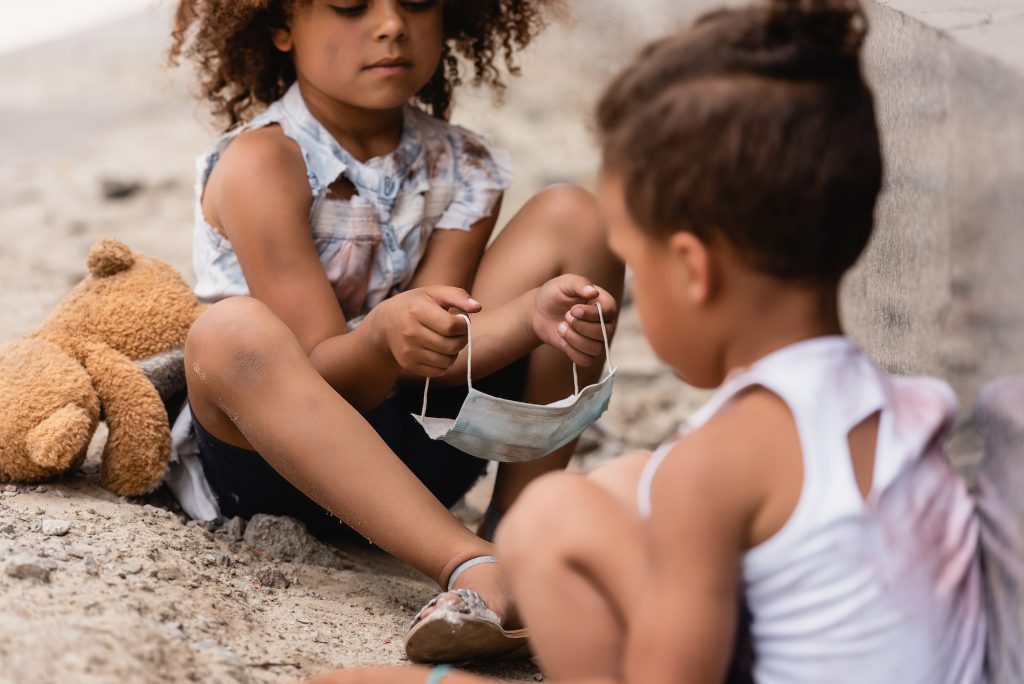
Education is often defined by brick-and-mortar buildings—classrooms with chalkboards and rows of desks. But for countless children, that image is a distant dream. Their reality is the bustling street, the noisy railway station, or the dusty corner of a market. Our work is a testament to the belief that the absence of a building doesn’t mean the absence of an education. We find the classroom in the most unexpected places, creating spaces for learning where none existed before.
The Challenge: Reaching the Unreachable
The biggest obstacle isn’t a lack of desire to learn; it’s a lack of access. Children living on the streets or in underserved communities face unique barriers:
Financial constraints: Families often rely on children to work and contribute to the household income.
Lack of awareness: Many parents may not be aware of the importance of early education or the free resources available.
Safety and security: The journey to and from a traditional school can be dangerous, especially for young girls.
Fluid lifestyle: Families may be nomadic, moving frequently for work, making consistent attendance impossible.
The Solution: The Mobile Classroom
We developed a unique model to overcome these challenges: the mobile classroom. This is not a bus, but a concept—a group of dedicated volunteers who bring learning to where the children are. Our “classrooms” have taken many forms:
A simple circle under a banyan tree in a village square.
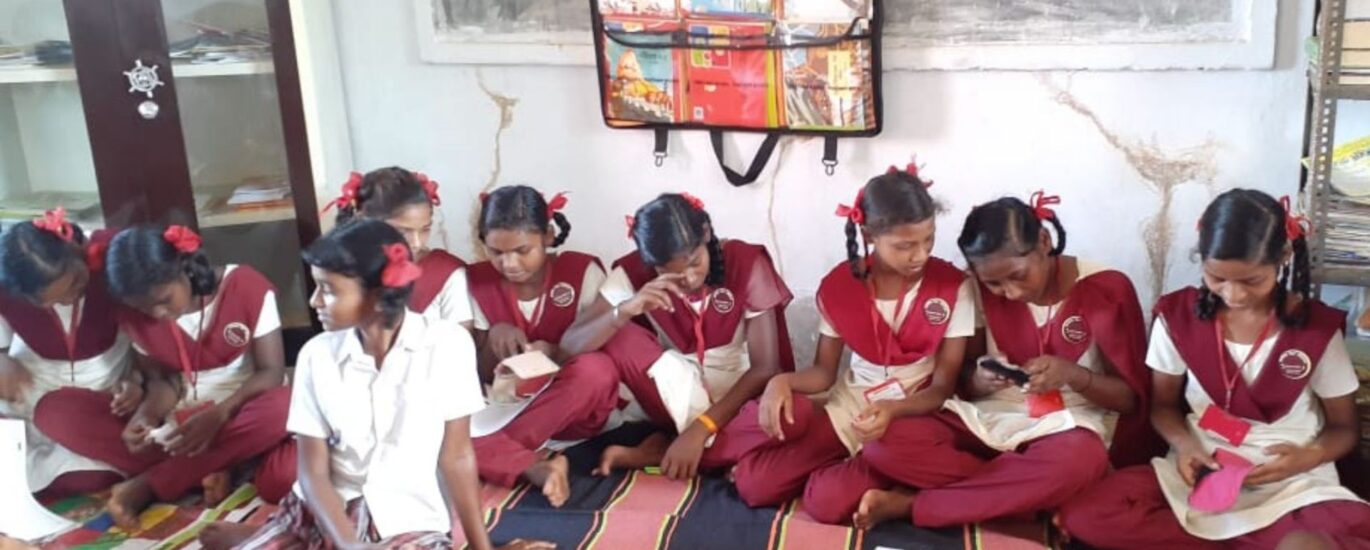
A small corner of a community hall, filled with colorful mats and learning charts.
An evening class held in a temporary shelter, after the day’s work is done.
The curriculum is adaptable and engaging, using real-world examples to teach essential skills. We use games, songs, and storytelling to make learning an exciting adventure.
The Impact: More Than Just Learning
The mobile classroom offers more than just academic lessons; it’s a safe space where children can be children. The impact we’ve seen is profound and far-reaching:
Improved literacy and numeracy skills, giving them a foundation for future success.
Increased self-confidence and a newfound sense of purpose.
Empowerment through knowledge, which helps them make better life choices.
A sense of belonging to a community that cares about their future.
Every child we reach and every lesson we teach is a step toward building a brighter, more equitable future.