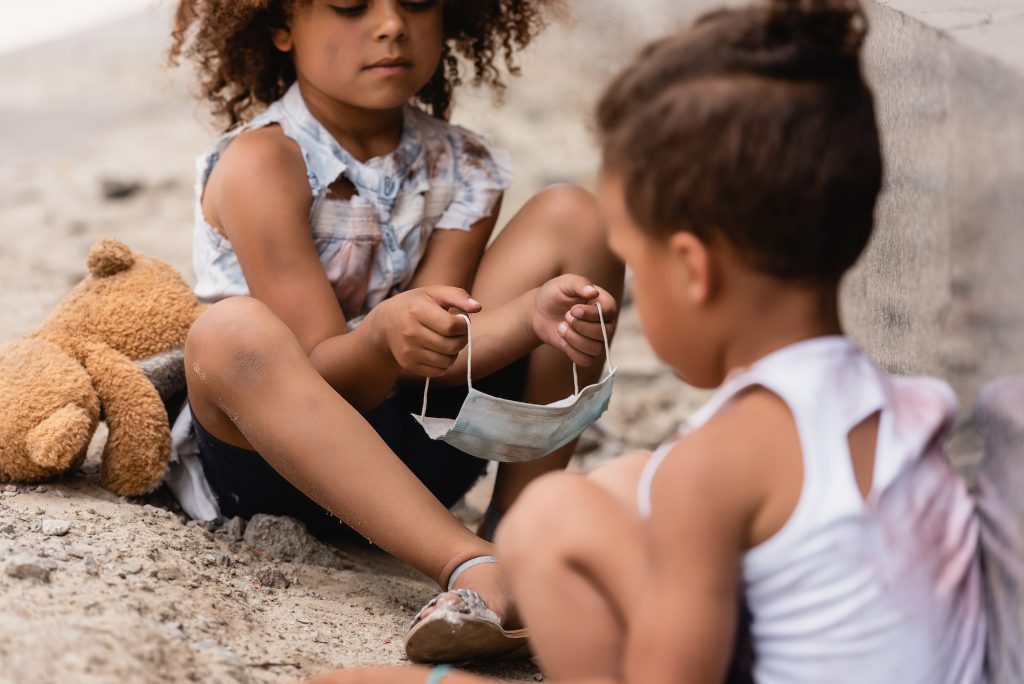
- Wonderful moments and spinmama supporting joyful family connections now
- The Power of Shared Activities and Family Games
- Creating a ‘Device-Free’ Zone
- Nurturing Open Communication Within the Family
- The Importance of Active Listening
- Establishing Family Traditions and Rituals
- The Role of Rituals in Creating Connection
- Supporting Individual Passions and Interests
- Cultivating Resilience and Navigating Challenges Together
Wonderful moments and spinmama supporting joyful family connections now
In the whirlwind of modern family life, maintaining strong, joyful connections can feel like a constant challenge. Parents juggle work, household responsibilities, and personal commitments, often leaving little time for truly dedicated family bonding. The quest for quality time, meaningful interactions, and shared experiences is a universal one. Finding tools and resources that actively support these efforts becomes incredibly valuable. This is where the concept of fostering a connected family life truly shines, and innovative solutions like those offered by spinmama seek to provide just that – a supportive framework for creating lasting memories and deeper relationships.
The demands on families today are immense, and the pressures to succeed, whether academically, professionally, or socially, can inadvertently create distance between loved ones. It's easy for communication to break down, for individual pursuits to overshadow shared interests, and for the simple joys of togetherness to get lost in the shuffle. Recognizing this struggle is the first step towards building a more intentional and fulfilling family life. Exploring ways to prioritize connection, encourage open communication, and create opportunities for shared experiences is essential for nurturing a thriving family dynamic. This isn't about striving for perfection, but about making a conscious effort to cultivate a warm, supportive, and loving environment for everyone involved.
The Power of Shared Activities and Family Games
Engaging in shared activities is a cornerstone of building strong family bonds. These activities don’t need to be extravagant or expensive; often, the simplest experiences are the most impactful. Board game nights, outdoor adventures, cooking together, or even simply reading aloud can create lasting memories and strengthen the connections between family members. The key is to choose activities that everyone enjoys, or at least is willing to try, and to approach them with a spirit of fun and collaboration. These shared experiences provide opportunities for laughter, conversation, and the development of inside jokes and cherished traditions. The spontaneous nature of a well-played game or a collaborative cooking session can dissolve tensions and foster a sense of playfulness within the family unit.
Creating a ‘Device-Free’ Zone
In today’s digital age, it's crucial to intentionally create ‘device-free’ zones and times. Constant connectivity can be a major barrier to genuine connection. Designating specific times – such as mealtimes, family game nights, or bedtime – as ‘device-free’ allows everyone to fully engage with each other without distractions. This practice encourages face-to-face communication, active listening, and a greater appreciation for the present moment. It may initially be met with resistance, especially from teenagers, but consistently enforcing these boundaries will ultimately benefit everyone by fostering a more present and connected family environment. It’s about consciously seeking moments of unplugged togetherness.
| Activity | Benefits |
|---|---|
| Board Game Night | Enhances strategic thinking, promotes friendly competition, encourages social interaction. |
| Family Hiking | Promotes physical activity, provides opportunities for exploration, fosters appreciation for nature. |
| Cooking Together | Develops culinary skills, encourages teamwork, creates a shared sense of accomplishment. |
| Reading Aloud | Expands vocabulary, stimulates imagination, fosters a love of reading, creates a cozy and intimate atmosphere. |
The focus when planning family activities should always be on connection, not perfection. It’s perfectly acceptable for things to go awry, for games to be played imperfectly, or for meals to be slightly chaotic. The goal is to create a space where everyone feels comfortable being themselves and enjoying each other's company. These moments of shared vulnerability and imperfection are often the most memorable and meaningful.
Nurturing Open Communication Within the Family
Open and honest communication is vital for any healthy relationship, and families are no exception. Creating a safe space where family members feel comfortable expressing their thoughts, feelings, and concerns is essential. This requires active listening, empathy, and a willingness to understand each other's perspectives, even when they differ. Regularly scheduling family meetings can provide a structured forum for discussing important issues, sharing updates, and addressing any concerns that may arise. However, it's equally important to encourage spontaneous conversations and to be available to listen whenever a family member needs to talk. This means putting down your phone, turning off the TV, and giving your full attention to the person who is speaking. A family that communicates openly is a family that can navigate challenges together.
The Importance of Active Listening
Active listening goes beyond simply hearing the words someone is saying. It involves paying attention to their body language, tone of voice, and underlying emotions. It means asking clarifying questions, paraphrasing what you've heard to ensure understanding, and offering empathetic responses. Avoid interrupting, judging, or offering unsolicited advice. Instead, focus on creating a safe and supportive environment where the speaker feels heard and understood. Practicing active listening can dramatically improve communication within the family and strengthen the bonds between its members. It’s a skill that requires conscious effort and practice, but the rewards are well worth it. spinmama emphasizes this skill when providing family support tools.
- Create Regular Family Meetings
- Practice Active Listening Skills
- Encourage Expression of Feelings
- Avoid Judgment and Criticism
- Validate Each Other's Perspectives
Consistency is key when it comes to fostering open communication. It's not enough to have one or two heartfelt conversations; it's about creating a culture of openness and honesty that permeates the family dynamic. This requires ongoing effort and a commitment to prioritizing communication above all else. When family members feel safe and supported, they are more likely to share their thoughts and feelings, which ultimately leads to stronger relationships and a more harmonious family life.
Establishing Family Traditions and Rituals
Family traditions and rituals provide a sense of continuity, belonging, and shared identity. These traditions can be as simple as a weekly pizza night, an annual holiday gathering, or a bedtime story routine. They create a sense of predictability and comfort, and they serve as markers of important milestones and shared memories. Traditions don't have to be elaborate or expensive; often, the most meaningful traditions are the ones that are simple, heartfelt, and deeply rooted in family history. They offer a sense of comfort during times of change and provide a source of joy and connection. The creation of new traditions can also be a fun and collaborative process, involving all family members in the planning and execution.
The Role of Rituals in Creating Connection
Rituals are the specific actions or routines that make up a tradition. For example, a family tradition of decorating a Christmas tree might include the ritual of hanging a specific ornament each year, or singing carols while decorating. Rituals provide a sense of structure and meaning, and they help to reinforce the values and beliefs of the family. Taking the time to create and maintain these rituals demonstrates a commitment to preserving family history and strengthening the bonds between generations. A regular ritual, like a bedtime story, can build consistent connection.
- Identify Existing Family Traditions
- Brainstorm New Traditions as a Family
- Plan and Execute Traditions Together
- Document and Share Family Memories
- Be Flexible and Adapt Traditions as Needed
The key to successful traditions is adaptability. As families grow and change, traditions may need to be modified or updated to reflect their evolving needs and interests. The important thing is to maintain the underlying spirit of connection and togetherness that makes traditions so valuable. It’s about making sure these traditions remain relevant and meaningful for all family members.
Supporting Individual Passions and Interests
While it's important to prioritize shared experiences, it's equally important to support each family member's individual passions and interests. Encouraging individual pursuits fosters a sense of self-esteem, independence, and personal growth. It also provides opportunities for family members to learn from each other and to appreciate each other's unique talents and perspectives. This doesn't mean neglecting family time; rather, it's about finding a balance between shared activities and individual pursuits. Show genuine interest in what your children and partner are passionate about, attend their events, and offer your support and encouragement. Celebrating individual achievements strengthens the bonds of love and respect within the family.
Creating space for individual interests within the family requires intentionality and flexibility. It may involve adjusting schedules, making compromises, or providing financial support for lessons or equipment. However, the investment is well worth it, as it contributes to the overall well-being and happiness of each family member. It also models a valuable lesson about the importance of pursuing one’s passions and living a fulfilling life. Supporting individual interests demonstrates a commitment to nurturing the unique potential of each family member.
Cultivating Resilience and Navigating Challenges Together
Family life is not always easy. Challenges and adversity are inevitable. The ability to navigate these challenges together, with resilience and compassion, is crucial for building a strong and supportive family. This requires open communication, a willingness to compromise, and a commitment to working as a team. It also means recognizing that setbacks are a normal part of life and that it's okay to ask for help when needed. Learning to cope with stress, manage conflict, and overcome obstacles together strengthens the bonds between family members and fosters a sense of unity and purpose. spinmama provides resources to help families build that resilience.
Resilience is not about avoiding challenges; it's about how a family responds to them. A resilient family is one that can bounce back from adversity, learn from its mistakes, and emerge stronger than before. This requires a foundation of trust, respect, and mutual support. It also means cultivating a positive attitude, focusing on strengths, and celebrating successes, no matter how small. When families face challenges together, they not only overcome those challenges but also create lasting memories and strengthen their bonds of love and commitment. The shared experience of overcoming adversity can be a powerful force for growth and connection.