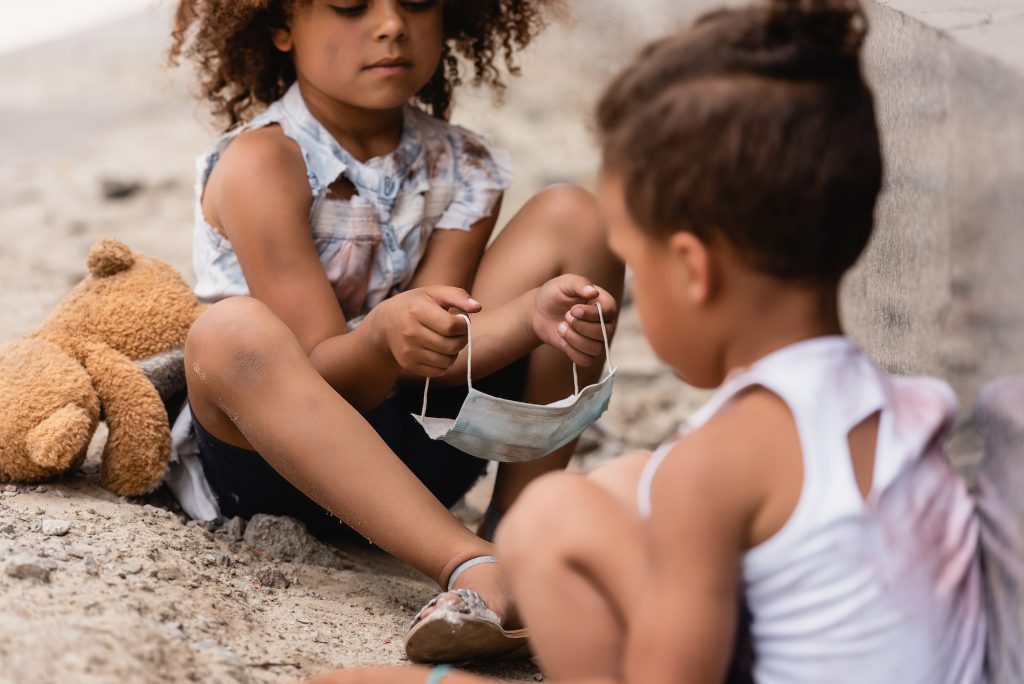
- Detailed portraits and compelling storytelling with https://garykeshishyan.com reveal human connections
- The Art of Detailed Portraiture
- Capturing Personality Through Expression
- Storytelling Through Visuals
- The Significance of Composition and Setting
- Connecting with the Human Spirit
- The Role of Vulnerability in Portraiture
- Exploring Diverse Portrait Styles
- The Enduring Legacy of Portraiture
Detailed portraits and compelling storytelling with https://garykeshishyan.com reveal human connections
In the realm of visual storytelling, finding an artist who can truly capture the essence of a subject is a remarkable feat. Through meticulous detail and a keen understanding of human emotion, a portrait transcends mere representation, becoming a window into the soul. https://garykeshishyan.com offers a unique approach to portraiture, going beyond technical skill to forge genuine connections with those who sit for their images. The artist’s portfolio showcases a commitment to revealing the inner lives of individuals, crafting narratives that resonate with viewers on a deeply personal level.
The power of a compelling portrait lies in its ability to evoke empathy and understanding. It’s about more than just a likeness; it’s about capturing a moment in time, a fleeting expression, a hidden vulnerability. This is where the expertise of a seasoned portrait artist truly shines. Gary Keshişyan’s work demonstrates an extraordinary talent for creating images that are not only visually stunning but also emotionally impactful, inviting audiences to contemplate the stories behind the faces.
The Art of Detailed Portraiture
Detailed portraiture is a demanding art form, requiring not only exceptional technical proficiency but also a profound understanding of light, shadow, and human anatomy. Achieving a truly realistic and expressive portrait necessitates hours of careful observation and precise execution. The artist must be adept at translating three-dimensional form onto a two-dimensional surface, capturing the nuances of texture, color, and expression. This level of skill distinguishes mere representation from genuine artistry, breathing life and personality into the subject. The most compelling portraits don’t just look like someone; they feel like someone.
Capturing Personality Through Expression
Beyond technical prowess, the ability to capture a subject's personality is paramount. This involves creating a comfortable and trusting environment where the individual feels at ease and can authentically express themselves. A skilled portrait artist possesses strong interpersonal skills, capable of engaging with their subjects and eliciting genuine emotions. Subtle shifts in expression, a fleeting glance, or a gentle smile can reveal volumes about a person’s character and inner world. These moments, often imperceptible to the casual observer, are the treasures that a talented artist meticulously preserves.
| Element of Portraiture | Importance |
|---|---|
| Technical Skill | Foundation for realistic depiction |
| Understanding of Light & Shadow | Creates depth and dimension |
| Emotional Connection | Brings personality to life |
| Attention to Detail | Reveals nuance and character |
The meticulous nature of detailed portraiture isn’t merely about achieving photorealism; it's about revealing the subtle intricacies that make each individual unique. It’s about honoring the beauty and complexity of the human form and spirit. The process demands patience, perseverance, and a genuine passion for capturing the essence of another being, offering a lasting legacy of their presence.
Storytelling Through Visuals
The most impactful portraits aren’t static images; they are visual stories waiting to be unfolded. A truly skilled artist understands the power of narrative and employs various techniques to create a sense of intrigue and emotional resonance. This can involve carefully chosen backgrounds, symbolic props, or evocative lighting schemes that contribute to the overall narrative. The goal is to create an image that sparks curiosity and invites viewers to construct their own interpretations, fostering a deeper connection with the subject. The narrative element distinguishes a good portrait from a great one.
The Significance of Composition and Setting
Composition and setting play a crucial role in shaping the story a portrait conveys. The arrangement of elements within the frame, the use of leading lines, and the selection of a suitable backdrop can all contribute to the overall message. A carefully chosen setting can provide context, hinting at the subject’s profession, interests, or social standing. Subtle details within the composition can add layers of meaning, inviting viewers to delve deeper into the narrative. A deliberate approach to these elements elevates the artwork from a simple representation to a thought-provoking story.
- Emotional Resonance: A story connects the viewer to the subject.
- Intrigue and Curiosity: Compelling narratives encourage interpretation.
- Contextual Clues: Settings and props provide supporting detail.
- Symbolic Representation: Elements can carry deeper meaning.
Beyond the technical aspects, successful visual storytelling requires empathy and an understanding of the human condition. The artist must be able to perceive the emotional undercurrents of their subject and translate them into a visual language that resonates with audiences. This involves a sensitive approach, listening to the subject's story and striving to capture their unique perspective. A powerful portrait isn't just seen; it’s felt, and it is remembered.
Connecting with the Human Spirit
At its core, portraiture is about forging a connection with another human being. It’s an intimate exchange between artist and subject, a collaborative effort to reveal something profound about the human experience. This connection is built on trust, respect, and a shared desire to create something meaningful. The process of sitting for a portrait can be transformative for both parties, fostering a sense of vulnerability, self-discovery, and mutual understanding. This intimate exchange is what elevates portraiture to the level of art.
The Role of Vulnerability in Portraiture
Vulnerability is a key ingredient in creating truly authentic and compelling portraits. When a subject allows themselves to be seen, flaws and all, the image gains a depth and honesty that is rarely achieved otherwise. A skilled artist can create a safe and supportive environment where the subject feels comfortable relinquishing their defenses and revealing their true self. This involves active listening, empathetic communication, and a genuine desire to connect with the individual on a human level. The resulting image becomes a testament to the power of vulnerability and the beauty of imperfection.
- Establish a trusting environment.
- Practice active listening.
- Encourage authentic expression.
- Respect the subject’s boundaries.
The ability to capture this vulnerability is a hallmark of exceptional portraiture. It's about seeing beyond the surface, recognizing the shared humanity that connects us all, and translating that understanding into a visual form. This creates an image that is not only aesthetically pleasing but also emotionally resonant, leaving a lasting impression on the viewer.
Exploring Diverse Portrait Styles
The world of portraiture is incredibly diverse, encompassing a wide range of styles and techniques. From classical realism to abstract expressionism, artists have continually pushed the boundaries of the medium, exploring new ways to capture the human form and spirit. Understanding these different approaches can broaden one's appreciation for the art of portraiture and inspire new creative avenues. Each style offers a unique perspective on the human experience, reflecting the artist's individual sensibilities and artistic vision.
Consider the impact of varying background textures, color palettes, and lighting schemes on the overall mood and message of a portrait. A minimalist background can emphasize the subject's features and create a sense of intimacy, while a more detailed or dramatic backdrop can add context and complexity. The choice of color can also evoke specific emotions, with warm tones conveying warmth and energy, and cool tones suggesting calmness and serenity. Experimentation with these elements is a key component of developing a unique and recognizable portrait style.
The Enduring Legacy of Portraiture
Throughout history, portraiture has served as a vital form of documentation, commemoration, and artistic expression. From ancient Egyptian funerary portraits to the Renaissance masterpieces of Leonardo da Vinci and Raphael, portraits have provided invaluable insights into the lives, beliefs, and values of past civilizations. Today, portraiture continues to thrive as a relevant and powerful art form, offering a unique lens through which to explore the complexities of the human condition. It remains a testament to our enduring fascination with ourselves and others and serves as a means to preserve memories and celebrate individual identities.
The impact of a skillfully crafted portrait extends far beyond the immediate subject; it becomes a cultural artifact, offering future generations a glimpse into the past. As digital technologies continue to evolve, the role of portraiture may shift, but its fundamental purpose—to capture the essence of a human being—will remain timeless. The ongoing exploration of innovative techniques and artistic visions will undoubtedly ensure the continued vitality and evolution of this remarkable art form, found at places like https://garykeshishyan.com.