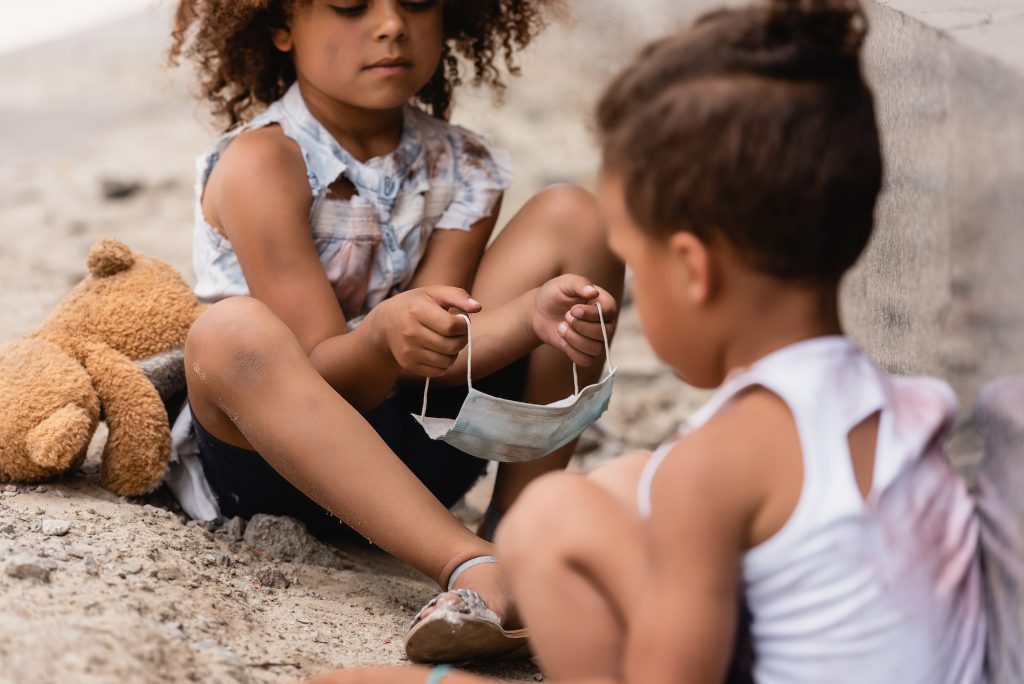
- Distinctive portraits with spingranny capture fleeting moments and evoke profound storytelling
- The Essence of Emotional Resonance in Portraiture
- The Role of Lighting and Composition
- The Narrative Power of Visual Storytelling
- Inspiring Personal Connection Through Ambiguity
- Technical Considerations and Artistic Approach
- Selecting the Right Equipment and Software
- The Influence of Photography History
- Expanding the Horizons of Portraiture
Distinctive portraits with spingranny capture fleeting moments and evoke profound storytelling
The artistry of portraiture has evolved significantly over time, moving beyond mere representation to capture the essence of a subject, their emotions, and the fleeting moments that define their existence. Within this realm, the work associated with the term “spingranny” has emerged as a particularly compelling example of evocative storytelling through visual means. It’s a practice that focuses on capturing a specific emotional resonance, a certain depth of character that transcends the purely visual.
This approach isn’t just about taking a picture; it’s about creating a resonant, almost tangible connection with the viewer. Each image strives to become a window into a world of feeling and experience, an interpretation of the human condition. The power of these portraits lies in their ability to stay with the observer long after the initial glance, prompting contemplation and emotional response. The aesthetic aims to create an ambiance of wistful remembrance, exploring themes of memory, identity, and the passage of time.
The Essence of Emotional Resonance in Portraiture
Central to the power of this style is the deliberate construction of atmosphere. It’s more than just lighting or composition; it’s a conscious effort to imbue the image with a certain mood, a narrative suggestive of a larger story. This often involves a careful selection of color palettes, favoring muted tones and subtle contrasts to create a sense of nostalgia or introspection. The goal isn’t necessarily to replicate reality perfectly but to translate a feeling, a memory, or an impression. The subjects themselves, in these portraits, often appear lost in thought, their expressions hinting at experiences lived and emotions deeply felt. This encourages the viewer to project their own experiences and interpretations onto the image, fostering a deeply personal connection.
The Role of Lighting and Composition
Lighting plays a pivotal role in establishing the desired emotional tone. Soft, diffused light is frequently employed to avoid harsh shadows and create a gentle, ethereal quality. This can evoke a sense of vulnerability and intimacy, drawing the viewer closer to the subject. Compositionally, the images are often framed to emphasize the subject’s eyes, considered the windows to the soul. Attention is also paid to the background, which is typically kept uncluttered and subdued to avoid distracting from the central figure. Deliberate use of negative space can further enhance the sense of isolation or contemplation, highlighting the subject's emotional state. The techniques used aim to distill the essence of a person down to their most fundamental emotional core.
| Element | Technique | Impact on Mood |
|---|---|---|
| Lighting | Soft, diffused | Vulnerability, intimacy, dreamlike quality |
| Color Palette | Muted tones, subtle contrasts | Nostalgia, introspection, serenity |
| Composition | Emphasis on eyes, negative space | Focus, isolation, contemplation |
| Subject Expression | Lost in thought, subtle emotions | Intrigue, empathy, connection |
The use of these techniques, working in harmony, transforms a simple portrait into a compelling narrative. They aren't just static representations of appearances; they become conduits for emotional experience.
The Narrative Power of Visual Storytelling
Beyond the technical aspects, these portraits excel at conveying stories without relying on explicit narratives. The images subtly hint at the experiences, relationships, and inner lives of the subjects, allowing viewers to fill in the gaps with their imaginations. This ability to evoke narrative through purely visual means is a hallmark of truly impactful portraiture. The effectiveness of this comes from the careful curation of details – a worn piece of clothing, a particular expression, or the setting itself – can all contribute to the overall story. A weathered hand, for example, might suggest a life of hard work and resilience, while a distant gaze could evoke a sense of longing or regret. Ultimately, the aim is to create an image that is both emotionally resonant and intellectually stimulating, prompting viewers to ask questions about the subject and their world.
Inspiring Personal Connection Through Ambiguity
The deliberate use of ambiguity adds another layer of depth to these images. By leaving certain aspects open to interpretation, the artist invites viewers to actively participate in the storytelling process. This makes the experience far more engaging and personal, as each viewer brings their own unique perspective and emotional baggage to the image. A slightly obscured face or an unusual angle can all contribute to this sense of mystery, encouraging viewers to linger and contemplate the meaning of the portrait. The power of suggestion is often more potent than explicit explanation, allowing the image to resonate with viewers on a deeper, subconscious level. The freedom to interpret adds a level of intimacy between the visual and the observer.
- The use of muted colors evokes melancholy and reflection.
- Soft focus softens features, implying vulnerability.
- Intentional blurring adds to a dreamlike, ephemeral quality.
- The subject's gaze directs the viewer's attention and invites empathy.
The impact these elements have on the viewer are notable, encouraging a personal connection and individual interpretation of the artistic intention.
Technical Considerations and Artistic Approach
Achieving the desired aesthetic requires a meticulous attention to technical detail alongside a clear artistic vision. The choice of camera and lenses plays a crucial role, with many artists favoring medium format cameras for their ability to capture subtle tones and details. Post-processing techniques are also essential, often involving careful adjustments to color, contrast, and sharpness to create the desired mood. However, it’s important to avoid over-editing, as the goal is to enhance the natural beauty of the image, not to create an artificial or overly polished look. The artistic approach is often characterized by a sense of restraint and subtlety, prioritizing emotional impact over technical virtuosity. The emphasis is on capturing a genuine moment, a fleeting expression that reveals something profound about the subject’s inner life.
Selecting the Right Equipment and Software
While high-end equipment can be beneficial, it’s not necessarily essential. The key is to understand the capabilities of your tools and use them effectively. A skilled artist can create stunning portraits with even a relatively modest setup. Software like Adobe Photoshop and Lightroom are commonly used for post-processing, offering a wide range of tools for adjusting color, contrast, and sharpness. However, it’s important to use these tools judiciously, avoiding heavy-handed edits that can detract from the natural beauty of the image. Mastering the fundamentals of light and composition is far more important than having the latest and greatest gear. Developing a strong eye for detail and a clear artistic vision are the most crucial elements for success.
- Choose a camera and lens that suit your style.
- Master the fundamentals of light and composition.
- Learn to use post-processing software effectively.
- Prioritize emotional impact over technical perfection.
These steps build upon one another, creating a skillset geared towards the capture of impactful and meaningful images.
The Influence of Photography History
The aesthetic approach to portraying subjects is rooted in the history of portrait photography, drawing inspiration from various movements and artists. Early portrait photographers, such as Julia Margaret Cameron, were known for their soft-focus images and their ability to capture the inner lives of their subjects. The Pictorialist movement, which emerged in the late 19th century, further emphasized the artistic potential of photography, exploring themes of atmosphere and emotional expression. More recently, the work of contemporary photographers has continued to push the boundaries of portraiture, experimenting with new techniques and approaches. Understanding this historical context can provide valuable insights into the evolution of portrait photography and the enduring power of visual storytelling. Artists building on this legacy continue to shape the field today.
Moreover, the influence extends beyond purely photographic traditions, encompassing elements of painting and other visual art forms. The use of chiaroscuro, a technique popularized by Renaissance painters, can be seen in the dramatic lighting often employed in these portraits.
Expanding the Horizons of Portraiture
The evolving style of portraiture, as exemplified by the work surrounding “spingranny,” suggests a broader trend towards greater emotional authenticity and narrative depth. The emphasis is shifting away from superficial appearances and towards capturing the essence of a person, their story, and their connection to the world. This approach has implications for various fields, including advertising, journalism, and documentary photography. Where emotional connection is critical, this method of visual communication thrives. The ability to create images that resonate with viewers on a personal level is becoming increasingly valuable in a world saturated with visual information. This could also inspire alternative forms of storytelling, utilizing portraiture as a springboard for exploring broader social and cultural themes. The future of portraiture doesn’t lie in technological advancement alone, but in a deeper understanding of the human condition and the power of visual communication.
Consider, for instance, the impact of using this approach in a campaign highlighting the experiences of marginalized communities. By focusing on emotional resonance and authentic storytelling, such a campaign could foster greater empathy and understanding, promoting positive social change. The potential applications of this are truly vast, offering a powerful tool for communication and connection.